




Introduction to Waffle Making
The art of waffle making traces its origins back to the Middle Ages in Europe, where thin cakes were cooked between two hot metal plates adorned with intricate designs. Initially crafted over open flames, these early waffle irons laid the groundwork for the modern waffle makers we use today. Over the centuries, waffles have transformed into a beloved staple enjoyed across various cultures, with countless versions that cater to an array of tastes and textures. The iconic Belgian waffles, known for their thicker profiles and larger pockets, contrast sharply with the crisp and thin traditional waffles from countries such as Denmark and the Netherlands.
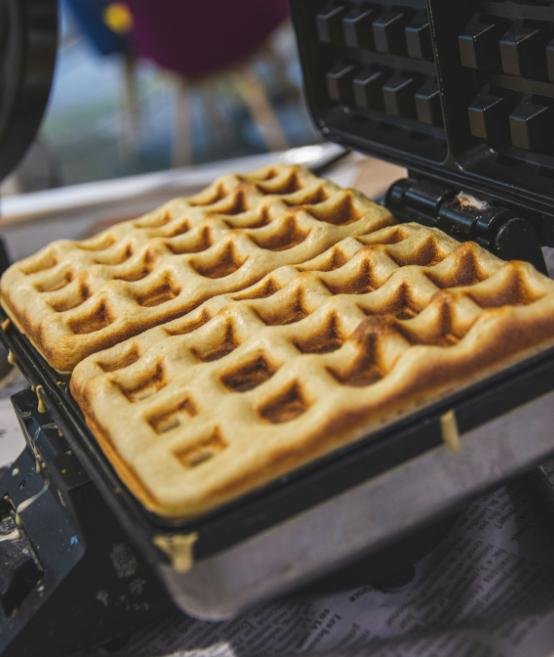
Today’s market offers a plethora of waffle makers, each designed to create a unique style of waffle. Options range from classic Belgian waffle makers, which typically produce round or square waffles with deep pockets, to specialized models for making authentic Liege and crispy waffles. Some waffle irons even feature interchangeable plates, allowing users to create heart-shaped, stuffed, or even savory waffles. The versatility of these appliances reflects their widespread popularity and adaptability in the culinary world.
In crafting the perfect waffle, the selection of ingredients plays a pivotal role. The most basic waffle recipe typically consists of flour, eggs, milk, sugar, and baking powder, which is then mixed to create a batter. While many variations exist, chefs often experiment with the addition of flavors such as vanilla, cocoa powder, or even spices like nutmeg and cinnamon to enhance the overall appeal. The question of whether to apply oil to a waffle maker arises as many cooks seek to achieve that coveted crispy exterior. Oiling may be necessary for newer models or specific recipes, which leads us to further explore the techniques that contribute to waffle perfection.
Understanding Your Waffle Maker
Waffle makers are a staple in many kitchens, yet they come in various types, each with unique characteristics and maintenance needs. The three primary types of waffle makers are non-stick, cast iron, and electric models. Understanding the distinctions between these machines is crucial for ensuring optimal performance and achieving perfectly crispy waffles.
Non-stick waffle makers are prevalent due to their ease of use and straightforward cleaning process. These models feature a coated surface that prevents the batter from sticking, allowing for seamless waffle release. While many users debate whether to oil these surfaces, it is essential to note that most non-stick varieties do not require oiling to function effectively. This is particularly true if the non-stick coating is intact and undamaged. Proper care involves using utensils that will not scratch the surface and ensuring the device is stored properly to maintain its longevity.
Cast iron waffle makers, on the other hand, are cherished for their heat retention and the classic, crispy texture they lend to waffles. These devices require a little more attention; before first use, it is typically recommended to season them with oil to develop a natural non-stick surface. After cooking, it is advisable to clean them thoroughly and reapply a thin layer of oil before storing to prevent rust. This care ensures that the cast iron remains in good working condition and enhances the flavor of your waffles over time.
Finally, electric waffle makers are the modern iteration, often equipped with adjustable temperature settings and timers. These appliances vary in terms of non-stick capabilities; some are designed without a coating, requiring consistent oiling to guarantee easy release and prevent burning. Whether using oil is necessary depends on the specific model, so consulting the manufacturer’s guidance will provide clarity on care practices.
The Importance of Oiling a Waffle Maker
When it comes to achieving perfectly crispy waffles, one of the essential steps is the application of oil to the waffle maker. Applying oil serves multiple purposes, each contributing significantly to the overall quality of the final product. First and foremost, when oil is coated on the surface of the waffle plates, it creates a barrier that significantly reduces the chance of the batter sticking. A non-stick surface is crucial for easy removal of the waffles without tearing or compromising their texture. Without proper oiling, waffles often adhere to the plates, leading to frustration and a less pleasing dining experience.
In addition to preventing sticking, oil plays a vital role in enhancing the crispiness of waffles. As the waffles cook, the oil heats up, enabling a Maillard reaction, which is essential for browning and developing a crispy exterior. This reaction produces the delicious, golden-brown crust that many waffle lovers seek. When oil is present on the cooking surface, it ensures that the heat is evenly distributed, allowing the waffles to bake uniformly. Consequently, this results in a consistent texture throughout, ensuring that each bite is as delightful as the last.
Moreover, the flavor profile of the waffles can be improved with the right type of oil. Different oils, such as vegetable, canola, or even coconut oil, can impart subtle flavors that enhance the overall taste of the waffles. Incorporating oil not only contributes to the aesthetics and texture but also enriches the culinary experience by ensuring the waffles are flavorful. Therefore, properly oiling a waffle maker is a critical step in the cooking process, impacting both the functional and taste aspects of the delectable waffle dish.
Choosing the Right Type of Oil
When selecting an oil for use in a waffle maker, several factors come into play, including flavor, smoke point, and health considerations. Different oils can significantly influence the taste and texture of your waffles, making the choice quite crucial.
Vegetable oil is a popular option due to its high smoke point, which typically ranges from 400°F to 450°F. This property makes it a safe choice for ensuring that the oil does not break down under high temperatures, potentially leading to a burnt flavor. Furthermore, vegetable oil has a neutral flavor, allowing the natural sweetness of the waffles to shine without interference.
Coconut oil is another viable alternative that adds a distinctive tropical flavor to your waffles. With a smoke point of approximately 350°F, coconut oil should be used with care, as it may begin to smoke at higher temperatures. Despite this, its unique taste and health benefits, such as medium-chain fatty acids, make it a favored choice among many culinary enthusiasts.
Butter, while providing a rich and creamy flavor, also demands attention due to its lower smoke point of around 300°F. This means that using butter in your waffle maker could lead to a chance of burning if the cooking temperature exceeds this limit. However, combining butter with a higher smoke point oil, like vegetable oil, can yield a deliciously rich flavor without the risk of burning.
Finally, olive oil, known for its health benefits and unique flavor profile, can also be used. Its smoke point varies based on the type; extra virgin olive oil has a lower smoke point of around 375°F, while refined olive oil can reach up to 465°F. It grants a savory twist to waffles but should be carefully considered based on the temperature settings of your waffle maker.
How to Properly Oil Your Waffle Maker
Successfully oiling your waffle maker is essential for achieving perfectly crispy waffles while preventing them from sticking to the plates. The technique not only enhances the texture of the waffles but also simplifies the cleaning process. There are two primary methods for applying oil: non-stick spray and manual brushing.
To begin, ensure that your waffle maker is unplugged and completely cool before starting the oiling process. This is a crucial safety precaution that should not be overlooked. Once you have verified that it is cool to the touch, you can proceed with one of the following methods.
The first method involves using non-stick cooking spray. Choose a high-quality spray that is suitable for high-temperature cooking. Hold the spray can at a distance of 6 to 8 inches from the waffle plates to ensure an even coating without oversaturation. Lightly coat both the top and bottom plates, focusing on the ridged areas where batter might adhere more easily. It is advisable to apply the oil just before pouring the batter for optimal results.
If you prefer a more controlled application, manually brushing oil onto the plates is an excellent alternative. For this method, use a paper towel or a basting brush to apply a thin layer of vegetable oil, melted coconut oil, or melted butter. Gently spread the oil across the surfaces, ensuring complete coverage while avoiding excess oil that could leak out during cooking. This technique also allows for better aroma and flavor infusion into your waffles.
Regardless of the method chosen, it is important to avoid over-oiling, as excess oil can cause overflow and create a potential mess. Regular maintenance of your waffle maker after use will contribute to its longevity, ensuring that you continue to enjoy the delightful textures and flavors of your favorite waffles.
When to Oil Your Waffle Maker
Oiling your waffle maker is essential to ensure that your waffles cook evenly and do not stick to the plates. The timing of when to apply oil can significantly impact the crispy texture and overall quality of your waffles. Generally, it is advisable to grease the waffle maker before its first use. This initial lubrication helps prevent the batter from adhering to the non-stick surfaces, providing an optimal cooking experience.
During the cooking process, the need for oil may vary depending on the type of batter you are using. For denser batters, like those found in classic Belgian waffles, it is beneficial to apply a light coat of oil to the plates between batches. This practice ensures that each waffle is released effortlessly without compromising the quality of the cook. Additionally, if you notice that your waffles are beginning to stick, this may signal that it’s time to reapply oil, enhancing the performance of your appliance.
The frequency of oil application should also correspond with how often you use your waffle maker. If you are preparing multiple batches in one cooking session, greasing the plates after every three to four waffles is often sufficient. Conversely, for infrequent users, applying oil before each cooking session should suffice to maintain the efficacy of the non-stick coating. Remember that using the right type of oil is equally important; oils with a high smoke point, such as canola or vegetable, are ideal as they withstand higher temperatures without burning.
Ultimately, properly timing your oil application can make a significant difference in achieving perfectly crispy waffles, thereby enhancing your breakfast experience. By integrating this practice into your waffle-making routine, you can ensure a consistently delightful outcome.
Alternative Approaches to Preventing Sticking
To achieve perfectly crispy waffles without the use of oil, there are several alternative methods to consider. One of the most significant factors is the correct preheating of the waffle maker. Ensuring that the appliance reaches the desired temperature before pouring in the batter can create a non-stick effect as the batter starts to cook once it makes contact with the hot surface. Typically, allowing the waffle maker to preheat for a few minutes provides the necessary heat to prevent sticking, resulting in waffles that release easily.
Another key consideration is the type of waffle maker used. Investing in a high-quality non-stick waffle maker can make a considerable difference. Many modern designs feature ceramic or advanced non-stick coatings that require little to no oil. These options not only improve the ease of waffle removal but also enhance the overall texture and crispness of the final product. When selecting a waffle maker, it is prudent to look for those that specifically advertise their non-stick capabilities.
Furthermore, the ingredients in the batter can affect the adhesion properties when cooking. For instance, incorporating ingredients such as buttermilk can lead to a more tender waffle, which naturally tends to release from the plates easier. Additionally, the use of eggs in the batter contributes to a fluffier texture that may reduce sticking. Experimenting with different recipes can uncover blends that suit personal preferences while also minimizing the need for oil. By carefully considering preheating, equipment choice, and batter composition, it is possible to create delightful, non-stick waffles without the addition of oil.
Troubleshooting Common Waffle Issues
Making delicious, perfectly crispy waffles can sometimes come with its own set of challenges. Common issues include sticking, uneven cooking, and failing to achieve the desired crispiness. Understanding the underlying reasons for these problems can help you improve your waffle-making skills significantly.
One of the primary issues encountered is the sticking of waffles to the waffle maker. This often happens when an insufficient amount of oil is used. Applying a thin coat of oil not only assists in preventing sticking but traditionally enhances the crispiness of the waffle. It is advisable to use a food-safe spray oil or a brush to apply the oil evenly over the cooking plates before pouring in the batter.
Another frequent challenge is uneven cooking. This can be attributed to various factors, including the temperature settings and the consistency of the batter. If the heat is too high, the exterior of the waffle could become overly browned while the inside remains uncooked. Conversely, too low a temperature may result in longer cooking times and a dense texture. It is crucial to find the right heat level for your specific waffle maker.
The consistency of the waffle batter also plays a significant role in the final outcome. A batter that is too thick may not distribute evenly, leading to uneven cooking. On the other hand, a batter that is too thin may spread out inappropriately, resulting in a loss of structure. Ideal batter consistency should be pourable but thick enough to hold its shape.
By addressing these common issues and implementing the suggested solutions, such as proper oil application, optimal heat settings, and ideal batter consistency, one can greatly enhance their waffle-making experience, ultimately leading to perfectly crispy and delicious waffles.
Conclusion: The Key Takeaways
In summary, the question of whether to put oil on a waffle maker is influenced by several factors, including the type of batter used and personal preferences. Traditional recipes often suggest that adding oil or using a non-stick spray can prevent the waffles from sticking, ensuring a smooth and easy release. This is particularly relevant for those who own waffle makers that are not explicitly labeled as non-stick. Conversely, some waffle makers come with a superior non-stick coating that may not require any additional oil, allowing the waffles to cook evenly while minimizing excess fat.
Experimentation is key to discovering the optimal method for each individual. It may be beneficial to try different types of oils, such as vegetable, coconut, or even olive oil, to see which enhances the flavor and texture of the waffles without compromising their crispiness. Moreover, using oil might impact the overall calorie count, making it an important decision for those monitoring their dietary intake. As the perfect waffle can vary from one person to another, adjusting the amount of oil or exploring alternative grease options are effective strategies for personalizing this beloved breakfast treat.
Waffle enthusiasts are encouraged to share their experiences and tips for achieving the ideal waffle consistency, whether it be crispy on the outside or tender on the inside. Engaging with a community of like-minded individuals can lead to an abundant exchange of ideas, ultimately enhancing the waffle-making experience. Remember, perfecting your waffle technique takes practice, and the journey is just as enjoyable as the outcome. Enjoy your culinary adventures and happy waffle-making!