




Introduction to Electric Fireplaces
Electric fireplaces are modern heating appliances that simulate the ambiance of traditional fireplaces while offering several distinct advantages. Unlike their wood or gas-burning counterparts, electric fireplaces operate on electricity, utilizing heating elements to produce warmth and LED technology to create the visual effect of flames. This innovative approach has led to an increase in their popularity among homeowners seeking efficient and low-maintenance heating solutions.
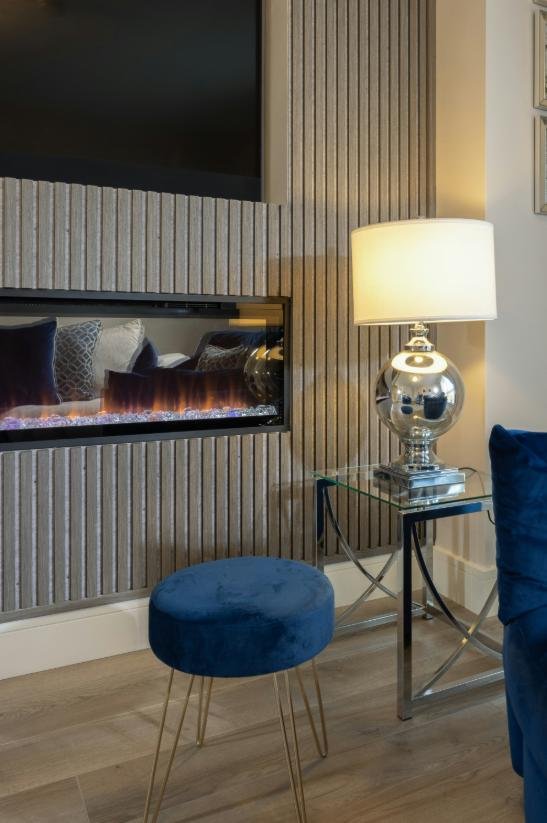
The mechanism of electric fireplaces is relatively straightforward. When switched on, they either draw in cool air from the room, heat it through the elements, and then disperse the warm air back into the space, or they provide radiant heat directly. This makes them an immediate source of warmth, eliminating the need for waiting periods typically associated with traditional fireplaces. Furthermore, electric models come in various styles, including freestanding units, wall-mounted options, and insert models, allowing for versatile integration into existing home décor.
One of the primary advantages of electric fireplaces is their ease of use. Users need only plug the unit into a standard electrical outlet and operate it using simple controls, usually via remote or switch. This simplicity extends to maintenance as well; electric fireplaces do not require the frequent cleaning or professional servicing associated with chimneys and flues. Additionally, they eliminate the necessity for wood storage or gas line installation, making them a more accessible option for many households.
Energy efficiency is another notable benefit of electric fireplaces. They convert nearly 100% of their energy into heat, resulting in minimal heat loss. Moreover, they can be utilized year-round, as many models come equipped with an option to use just the flame effect without generating heat, allowing users to enjoy the cozy ambiance without the associated heating costs. Overall, electric fireplaces represent a blend of modern technology and convenience, making them an appealing choice for contemporary living spaces.
Lifespan of Electric Fireplaces
Electric fireplaces are known for their convenience and efficiency, making them a popular choice for many homeowners. On average, the lifespan of an electric fireplace ranges from 10 to 20 years, depending on several factors including usage, maintenance, and build quality. While the average lifespan provides a rough guideline, actual longevity can vary significantly based on individual circumstances.
One of the primary factors influencing the durability of electric fireplaces is the quality of the components used in their construction. Higher-end models often feature durable materials and advanced technology, which can contribute to a longer lifespan. Conversely, lower-quality options may have a shorter operational life. In addition, the type of heating element—such as infrared or convection—can also determine how long the unit lasts, with each offering varying degrees of efficiency and maintenance requirements.
Another significant factor in the lifespan of electric fireplaces is how frequently the unit is used. Regular use can lead to wear and tear, whereas sporadic use may allow the fireplace to remain in better condition over time. It is also essential to conduct routine maintenance, such as cleaning the heating elements and ensuring proper airflow, to prolong the appliance’s operational life. Following the manufacturer’s guidelines can greatly enhance durability, as certain models come with warranties that reflect their expected lifespan. These warranties can range from one to five years or even longer for higher-end products, offering a safety net should any issues arise.
In conclusion, understanding the lifespan of electric fireplaces is crucial for potential buyers. By considering factors such as construction quality, usage patterns, and maintenance practices, consumers can make informed decisions and ultimately enhance the durability of their electric fireplaces.
Factors Affecting the Longevity of Electric Fireplaces
The lifespan of electric fireplaces is influenced by several crucial factors, each playing a distinct role in determining how long these appliances can last. Understanding these factors can help consumers make informed decisions and maximize the longevity of their investment.
One of the primary aspects affecting the durability of electric fireplaces is the quality of materials used in their construction. Electric fireplaces made from high-grade components and robust materials are generally more resilient and have a longer operational lifespan. In contrast, those constructed with inferior quality parts may deteriorate more quickly. Creating a distinction between reputable manufacturers and lesser-known brands can ensure that consumers select a product that stands the test of time.
The frequency of use also significantly impacts the longevity of electric fireplaces. Appliances that are utilized daily may experience more wear and tear compared to occasional use. It is essential for users to be mindful of how they operate their fireplaces. Excessive usage or running the fireplace at higher settings continuously can hasten the degradation of internal components, potentially leading to malfunctions.
Environmental conditions contribute similarly to the lifespan of electric fireplaces. For example, placing an electric fireplace in humid or excessively dry locations could lead to issues, such as rust or wood deterioration, compromising the device’s structural integrity. Additionally, factors such as temperature fluctuations and exposure to direct sunlight can affect the electronics and exterior finishes.
Lastly, maintenance practices are critical for maintaining an electric fireplace’s longevity. Regular cleaning and timely inspections can prevent issues that may shorten the appliance’s operational life. By adhering to manufacturer guidelines regarding maintenance and care, users can significantly enhance the lifespan of their electric fireplaces, ensuring they remain functional and aesthetically pleasing for years to come.
Common Issues and Maintenance Tips
Electric fireplaces are an innovative solution for homeowners seeking warmth and ambiance without the hassle of traditional wood-burning options. However, like any appliance, they may encounter issues over time. Understanding these common problems and implementing effective maintenance can significantly extend the lifespan of your electric fireplace.
One frequent issue is the buildup of dust and debris within the unit. To maintain optimal performance, ensure that the electric fireplace is regularly cleaned. Start by unplugging the unit and using a soft, dry cloth to wipe down surfaces. For more thorough cleaning, use a vacuum cleaner with a soft brush attachment to remove dust from hard-to-reach areas, including vents and the heat exchanger. Avoid using water or cleaning solutions, as these may damage internal components.
Another important aspect of maintenance involves checking electrical connections. Frequent use, fluctuations in power supply, and the natural aging of components can lead to loose or malfunctioning connections. To address this, periodically inspect the power cord and plug for fraying or wear. If any issues are detected, contact a qualified electrician to ensure all connections are secure and functioning properly.
Troubleshooting common problems, such as inconsistent heating or flickering lights, is essential for maintaining the electric fireplace’s functionality. If the unit fails to produce heat, verify that the safety switch is engaged; many models have this feature to prevent overheating. If the problem persists, consider consulting the owner’s manual or reaching out to customer support for guidance on resolving the issue.
By adhering to these maintenance tips and promptly addressing any concerns, homeowners can maximize the longevity and performance of their electric fireplaces. Regular upkeep not only enhances functionality but also contributes to the overall safety of the unit.

Comparing Electric Fireplaces to Other Heating Options
Electric fireplaces have become a popular choice for homeowners seeking an efficient and modern heating solution. When compared to traditional heating options such as gas and wood-burning fireplaces, electric fireplaces offer several advantages, particularly in terms of durability, maintenance needs, and overall lifespan.
One of the significant benefits of electric fireplaces is their durability. Unlike gas and wood-burning fireplaces, which can suffer from wear and tear due to environmental factors and the combustion process, electric units are often constructed from robust materials that can withstand the test of time. While gas fireplaces rely on propane or natural gas, which might require occasional part replacements, electric fireplaces typically have fewer components prone to malfunction. As a result, they can have a longer operational lifespan, often exceeding 20 years with proper care.
Maintenance is another area where electric fireplaces shine. Gas and wood-burning options necessitate regular cleaning and servicing to maintain safety and efficiency. Wood-burning fireplaces, in particular, demand ongoing attention to ash removal and chimney sweeping to prevent buildup that can pose fire hazards. In contrast, electric fireplaces require minimal upkeep; regular dusting and an occasional replacement of bulbs in decorative features suffices. This low-maintenance approach is ideal for homeowners looking to minimize their time and financial investment into upkeep.
Furthermore, the lifespan of electric fireplaces remains impressive. While gas fireplaces may last about 15 to 20 years and wood-burning units can vary widely based on usage and care, electric fireplaces have fewer external factors impacting their longevity. The stability of electrical components in contemporary electric fireplace models results in dependable performance, making them an attractive option for homeowners considering long-term heating solutions.
Signs It’s Time to Replace Your Electric Fireplace
Electric fireplaces are popular for their convenience and aesthetic appeal. However, like any appliance, they have a finite lifespan and will eventually need to be replaced. Identifying the right time to replace your unit is crucial to maintaining a safe and comfortable home environment. Several warning signs can indicate that your electric fireplace may be nearing the end of its useful life.
One of the most significant indicators of potential failure is reduced heating efficiency. If your fireplace is no longer able to warm the room adequately, despite being used under similar conditions as before, this could signify an underlying problem. This inefficiency may arise from age-related wear or issues with internal components, leading to increased energy consumption and higher electricity bills.
Another red flag to consider is the presence of unusual sounds. While some noise, such as a gentle hum from the fan, is normal, any new or loud noises—such as buzzing, rattling, or grinding—should not be overlooked. These sounds could indicate mechanical issues, requiring immediate attention to prevent further damage or safety hazards.
Visible wear and tear is also a concerning sign. Homeowners should routinely inspect their electric fireplaces for any physical damage, such as cracked housing or frayed wires. Damage to the electrical cord or overheating components can pose serious risks, including fire hazards. A thorough inspection can help detect these issues early, allowing homeowners to take appropriate action.
In conclusion, it is essential to remain vigilant for the signs that may indicate a need for replacement. Reduced heating efficiency, unusual sounds, and visible wear are key indicators that can guide homeowners in assessing the condition of their electric fireplaces. By taking these factors into account, they can ensure safety and performance for years to come.
Choosing a Quality Electric Fireplace
The selection of a quality electric fireplace is paramount for ensuring longevity and optimal performance. When considering an electric fireplace, it is essential to look for specific features that contribute to both aesthetics and functionality. First, examine the heating capabilities, as this determines how effectively the unit can warm an area. The most efficient models often have adjustable heat settings, which allow users to customize comfort levels while maintaining energy efficiency.
Another crucial aspect to consider is the materials used in the fireplace’s construction. A high-quality electric fireplace typically features durable materials that withstand wear and tear while offering a realistic appearance. Look for models with a steel or aluminum frame, as these materials can enhance the overall durability of the unit. Additionally, the presence of tempered glass can protect against heat and improve safety.
Understanding energy ratings is also vital when choosing an electric fireplace. Energy-efficient units can help reduce electricity costs and contribute to a more sustainable household. Check for appliances that bear the ENERGY STAR certification, as these models meet or exceed strict efficiency guidelines set by the U.S. Environmental Protection Agency.
Moreover, it is important to purchase from reputable manufacturers. Established brands often provide quality assurances, warranties, and customer support that can significantly influence the product’s lifespan. Reviews and testimonials can provide insights into the reliability and performance of different models. Investing time in research before making a decision will ultimately lead to a more satisfying purchase, ensuring your electric fireplace lasts for years to come.
Cost Considerations Over Time
When evaluating the financial aspects of owning an electric fireplace, several key factors must be taken into account: the initial purchase price, installation costs, and long-term operating expenses. Understanding these elements can help homeowners gauge the overall value proposition of this heating solution.
The initial purchase price of an electric fireplace can vary significantly based on the model, style, and features. Generally, electric fireplaces are more affordable than their gas or wood-burning counterparts, with prices ranging from a few hundred to several thousand dollars. Homeowners should also factor in potential costs for purchasing additional features, such as remote controls or smart home integration. Additionally, installation prices can influence the overall expenditure. In many cases, electric fireplaces are easier to install, often requiring only an electrical outlet, which means professional installation may not be necessary. However, if a more complex setup is required, this could incur additional costs.
Long-term operating expenses are another crucial consideration. Electric fireplaces typically consume less energy than traditional heating systems, leading to lower utility bills. The average cost to operate an electric fireplace can range from 10 to 20 cents per hour, depending on local electricity rates and the efficiency of the unit. This translates to a relatively low annual operating cost, significantly enhancing the overall value compared to maintenance costs associated with other heating options. Maintenance requirements for electric fireplaces are minimal compared to wood-burning or gas fireplaces, which often require regular inspections, chimney cleaning, and repairs. As electric models become increasingly durable and reliable, their longevity, combined with low maintenance needs, positions them as a cost-effective heating source over time.
Conclusion: Making an Informed Decision
Throughout this blog post, we have explored the lifespan of electric fireplaces, emphasizing the various elements that can influence their durability and performance. Electric fireplaces typically offer an operational life expectancy ranging between 10 to 20 years, contingent upon factors such as usage frequency, maintenance practices, and the quality of the appliance itself. Understanding these components is essential for homeowners considering the installation or replacement of such an appliance.
Moreover, it is crucial to recognize that the type of electric fireplace can also play a significant role in determining its longevity. Options include wall-mounted units, built-in models, and portable designs, each having distinct characteristics that can either enhance or limit their operational lifespan. For instance, built-in electric fireplaces often have a longer lifespan due to their robust construction and professional installation standards, while portable models might experience more wear and tear due to frequent movement.
Additionally, regular maintenance is a vital aspect that should not be overlooked. Routine checks on heating elements, electrical connections, and decorative components can help mitigate potential issues, thus extending the life of the unit. Homeowners are encouraged to adhere to manufacturer guidelines and opt for professional servicing when necessary to maintain optimal performance.
In conclusion, making an informed decision regarding the purchase or replacement of an electric fireplace requires careful consideration of its expected lifespan, type, and maintenance needs. By weighing these factors, consumers can select a unit that not only suits their aesthetic preferences but also meets their long-term heating requirements efficiently. Ultimately, investing in a quality electric fireplace can provide comfort and ambiance for many years when chosen wisely and maintained properly.