





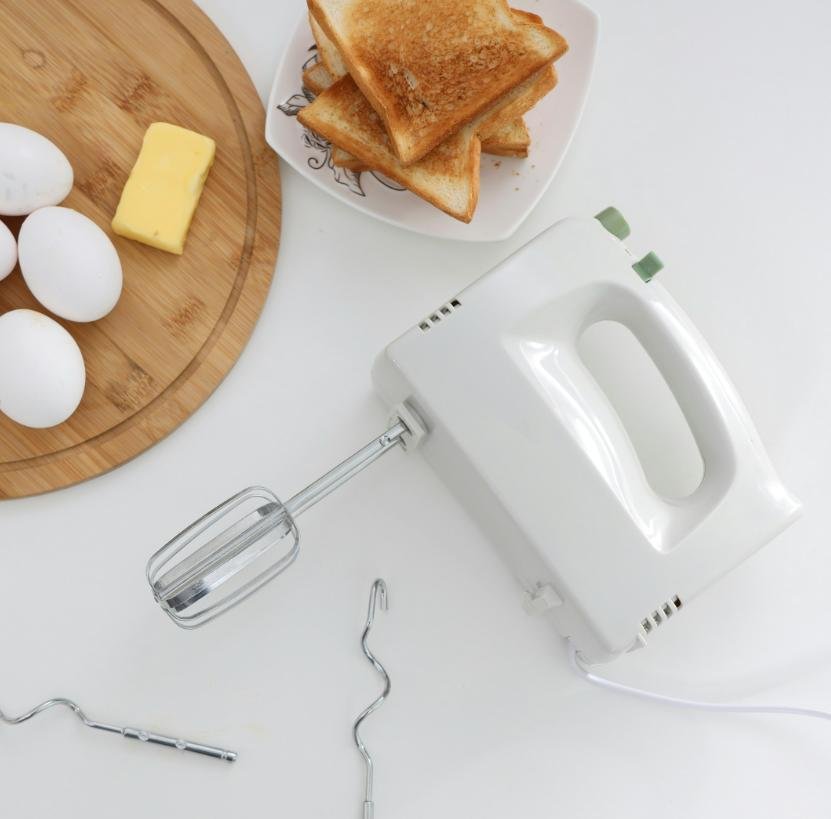
Introduction to Electric Food Choppers
Electric food choppers are versatile kitchen appliances designed to simplify the food preparation process. This innovative tool automates the chopping, dicing, and mincing of various ingredients, making it an essential addition to any culinary space. Unlike traditional chopping methods that require manual effort and time, electric food choppers leverage the power of electricity to deliver quick and efficient results, enabling home cooks to prepare meals with ease.
One of the primary advantages of electric food choppers is their convenience. In today’s fast-paced society, the time savings that these devices offer can be invaluable. With the push of a button, individuals can chop vegetables, herbs, and fruits in a matter of seconds, significantly reducing the time spent in the kitchen. This efficiency appeals to both novice cooks and experienced chefs alike, as it allows for more time to focus on the creative aspects of cooking, such as seasoning and presentation.
Electric food choppers also provide consistency in food preparation. The uniformity achieved with these devices eliminates the variability often seen with manual chopping techniques. Ingredients are cut to the same size, ensuring even cooking and enhancing the overall texture of the dish. Furthermore, many models come with a variety of attachments and settings that cater to different chopping styles, from coarse to fine, offering a degree of customization rarely found in traditional methods.
Additionally, electric food choppers are designed to enhance safety in the kitchen. The risk of accidents with knives can be significantly reduced, as these appliances minimize direct contact with sharp blades. As a result, they are particularly beneficial for individuals who may have difficulty with manual chopping due to mobility or dexterity issues.
Types of Small Electric Food Choppers
When considering the purchase of a small electric food chopper, it is essential to understand the various types available in the market, as each serves different culinary needs and preferences. Among the most popular options are mini choppers, bowl choppers, and multifunctional food processors, each distinct in their design and functionality.
Mini choppers are compact devices that typically feature a small bowl and are designed for quick chopping tasks. They are ideal for processing small quantities of ingredients, such as herbs, garlic, or nuts. Due to their size, mini choppers are particularly suitable for individuals or small families who often require only minimal preparation. Their straightforward operation makes them user-friendly, allowing for swift and efficient food prep without the clutter of larger appliances.
Bowl choppers, on the other hand, offer a bit more versatility and volume. These machines come equipped with larger bowls, which accommodate more significant amounts of food. They are suitable for tasks like chopping vegetables, mixing ingredients for salads, or even pureeing foods. The additional capacity makes bowl choppers an excellent choice for meal prepping or cooking for larger groups while still maintaining a convenient size for kitchen storage.
Multifunctional food processors take versatility a step further. These appliances combine the capabilities of various kitchen tools, allowing them to chop, slice, dice, and even knead dough. With multiple attachments and settings, multifunctional food processors cater to a wide range of culinary techniques. They are particularly beneficial for avid cooks who want to streamline their food preparation process and reduce the time spent on chopping tasks.
Ultimately, understanding the various types of small electric food choppers available helps consumers select the appliance that best fits their cooking habits and kitchen space. Whether one opts for a mini chopper, bowl chopper, or multifunctional food processor, selecting the right type enhances the cooking experience and promotes efficiency in the kitchen.
Key Features to Consider
When selecting a small electric food chopper, it is essential to consider several key features that significantly influence its functionality and usability. First and foremost is the motor power, which typically ranges from 200 to 600 watts. A powerful motor ensures efficient chopping, grinding, and mixing, with a higher wattage often indicating a more capable appliance. For individuals who frequently prepare large quantities of food, investing in a food chopper with a robust motor can save time and make food preparation more efficient.
Another crucial factor is the chopper’s capacity. Small electric food choppers usually come in varying bowl sizes, ranging from 1 to 5 cups. Choosing the right capacity depends on the volume of food you typically process. For those who usually make meals for one or two people, a smaller capacity may suffice. However, for families or when preparing meal preps, a larger capacity would be more practical.
The blade material and design also play a significant role in the efficiency of the food chopper. Stainless steel blades are recommended for their durability and sharpness, ensuring that the food is chopped or sliced uniformly. Additionally, consider models with interchangeable blades or attachments for versatile food processing options, as this can expand the chopper’s usability.
Ease of cleaning is another vital feature to consider, as food processors can become messy and difficult to maintain. Look for a food chopper with dishwasher-safe components and a design that minimizes crevices where food particles can get trapped. Lastly, extra functions such as pulsing or adjustable chopping settings provide additional control over the texture of the food, making these features valuable for a customizable cooking experience.
Size and Capacity: Finding the Right Fit
When selecting a small electric food chopper, understanding its size and capacity is essential for ensuring it integrates well into your kitchen environment while meeting your food preparation needs. The dimensions of the chopper will dictate where it can be stored and how often it can be conveniently accessed for use. Consequently, it is crucial to evaluate the available space in your kitchen before making a purchase.
One of the primary considerations is the physical size of the chopper itself. Smaller models may be appealing in terms of storage and ease of use, particularly in compact kitchens. However, if the size is too limited, it might restrict your ability to process larger quantities of food at once. Therefore, it’s important to strike a balance; consider how often you prepare meals and whether you typically cook in smaller or larger portions. By aligning the size of the chopper with your cooking habits, you ensure that it serves your culinary needs effectively.
Another key aspect is the capacity of the chopper’s bowl, which can vary significantly across different models. Most electric food choppers range in capacity from two to twelve cups, with larger capacities being particularly beneficial for those who regularly prepare meals for families or gatherings. If you frequently cook in bulk or enjoy entertaining guests, opting for a chopper that can accommodate larger serving sizes is advisable. Conversely, for individuals or couples who often prepare smaller portions, a compact chopper with a limited capacity may suffice.
Ultimately, evaluating both the size and capacity of a small electric food chopper will allow you to select a model that complements your kitchen space and fulfills your food preparation requirements. Careful consideration of these factors results in a more satisfying and practical cooking experience.
Safety Features to Look For
When selecting the best small electric food chopper, it is essential to prioritize safety features that ensure a secure and accident-free cooking experience. One of the most critical features to consider is a lid lock mechanism. This feature prevents the lid from being opened while the chopper is in operation, significantly reducing the risk of spills and injuries. A reliable lid lock ensures that the cutting blades remain enclosed until the machine is safely powered down.
Additionally, a non-slip base is an important consideration when evaluating electric food choppers. A non-slip base stabilizes the appliance during usage, preventing unwanted movement that could lead to accidents. It enhances user control and provides peace of mind, especially when chopping tough ingredients that may require prolonged effort. Look for food choppers that are designed with rubberized feet or a weighted base, as they contribute to overall stability.
Another vital safety feature to look for is the automatic shut-off function. This feature allows the chopper to turn off automatically after a certain period of inactivity or if the motor is excessively overheated. This is particularly beneficial in preventing potential hazards associated with prolonged operation, such as electrical fires or damage to the appliance. The automatic shut-off serves not only to protect the appliance but also to safeguard the user from accidents related to overuse.
In conclusion, focusing on these key safety features—lid locks, non-slip bases, and automatic shut-off functions—will enhance the overall user experience while significantly reducing the risks associated with using electric food choppers. Prioritizing safety in the selection process is essential for any kitchen appliance, ensuring that the cooking process remains enjoyable and accident-free.
Comparing Prices and Brands
When choosing the best small electric food chopper, it is essential to compare prices and brands to make an informed decision. The market offers a plethora of models from various manufacturers, each featuring different functionalities and quality standards. Notably, well-established brands often come with a reputation for superior performance and reliability, which can justify a higher price point. Brands such as Cuisinart, Hamilton Beach, and Ninja are renowned for their durable and efficient appliances, whereas lesser-known brands might entice consumers with lower prices but could compromise on quality and longevity.
While comparing prices, it is imperative to balance cost with the quality of the product. A cheaper model may initially appear to be a better deal; however, if it cannot withstand regular use, the overall expenditure could exceed that of a more reliable, albeit pricier, option. Therefore, consumer research is critical; looking for reviews and feedback on specific models can provide insights into their performance throughout their lifespan. Furthermore, consider the warranty options and customer service associated with different brands. A good warranty indicates a manufacturer’s confidence in their product, while responsive customer service can save users time and frustration should issues arise.
Additionally, it is wise to keep an eye on seasonal sales and promotional offers, as many retailers frequently discount appliances during certain times of the year. By doing thorough research, keeping quality in consideration, and weighing warranty and customer service options, readers can make a savvy decision. Ultimately, the combination of reasonable pricing and reliable brand history will guide potential buyers towards a suitable small electric food chopper that meets both their culinary needs and budgetary constraints.
User Reviews and Recommendations
When selecting a small electric food chopper, user reviews and recommendations are invaluable resources that can guide your decision-making process. Potential buyers should prioritize reading feedback from individuals who have used the product, as their firsthand experiences can shed light on functionality, durability, and performance. Authentic reviews provide insights not only into the product’s strengths but also its weaknesses, which can be critical in making an informed choice.
One effective way to find reliable reviews is through dedicated kitchen appliance websites and consumer forums. Websites such as Consumer Reports and specialized cooking blogs often conduct thorough reviews and comparisons of various food choppers. Additionally, retail platforms like Amazon and Walmart feature customer ratings and comments which can offer honest opinions and highlight specific features that users appreciate or dislike about a particular model.
Furthermore, consider consulting social media platforms where users share their experiences and post videos demonstrating the product’s efficiency. Groups dedicated to cooking and kitchen gadgets can also serve as a valuable advocate, providing recommendations based on collective experiences. When evaluating reviews, pay attention to the consistency of feedback. Products with a high number of positive reviews across multiple platforms are typically more trustworthy.
It is important to assess the quality of the reviews you read. Look for detailed explanations and specifics about the performance, ease of use, and any challenges faced by users. Reviews that are overly brief or vague may not provide sufficient information. Take note of any recurring themes in the reviews, which can indicate common issues or universal praise. By incorporating user reviews and recommendations into your research, you can enhance your confidence in selecting the best small electric food chopper for your culinary needs.
Tips for Maintaining Your Food Chopper
Maintaining a small electric food chopper is essential to ensure its longevity and optimal performance. Regular care not only enhances the efficiency of the appliance but also contributes to food safety. Here are some practical tips to help you keep your food chopper in excellent condition.
First and foremost, proper cleaning is crucial. After each use, disassemble the food chopper according to the manufacturer’s instructions. Remove the blade and the bowl, and wash them with warm, soapy water. It is advisable to avoid abrasive cleaners or scouring pads as these can scratch the surfaces and degrade the material over time. Instead, use a soft sponge for cleaning. For the blade, careful attention is necessary; always handle it cautiously to prevent cuts. Rinse and dry all components thoroughly before reassembling the chopper.
Another important maintenance tip involves checking the power cord and plug regularly. Ensure there are no frays or damages, as this can pose safety hazards. Keeping the power cord untangled and away from hot surfaces will also help maintain its integrity. Additionally, storing your food chopper in a dry place, away from direct sunlight and moisture, can prevent deterioration.
It is also wise to examine the blade for any signs of dullness or damage. If the blade becomes dull, it may not chop food effectively, leading to subpar results. Over time, consider sharpening or replacing the blade to maintain peak performance. Furthermore, avoid overloading the chopper, as doing so can strain the motor and lead to premature wear.
In conclusion, dedicated attention to the maintenance of your small electric food chopper will not only ensure optimal performance but also extend the appliance’s lifespan. By adhering to cleaning, inspection, and storing tips, users can enjoy the benefits of their food chopper for years to come.
Conclusion: Making an Informed Decision
Choosing the best small electric food chopper involves careful consideration of various factors that align with your specific culinary needs. A small electric food chopper can be a game changer, offering convenience and efficiency in the kitchen. As we have explored, features such as motor power, capacity, blade design, and additional functionalities play crucial roles in determining the best option for your requirements.
When assessing motor power, it is essential to recognize that higher wattage typically translates to better performance. A powerful motor can handle tougher ingredients, ensuring consistent results and reducing preparation time. Additionally, the capacity of the food chopper should match your cooking habits; smaller models are usually sufficient for quick tasks, while larger ones cater to meal prep for families or gatherings.
Another critical aspect is the design and quality of the blades. Sharp, durable blades not only execute precision chopping but also introduce versatility, enabling users to blend, mince, or puree as needed. Moreover, ease of cleaning can vastly influence your daily cooking experience; opting for models with dishwasher-safe components can save time and effort, making post-cooking clean-up more manageable.
Finally, personal preferences should also guide your decision-making process. Consider how often you will use the chopper, the types of food you typically prepare, and your budget constraints. By prioritizing these factors alongside the features discussed, you can make an informed choice that enhances your kitchen experience.
In conclusion, the best small electric food chopper will not only meet your culinary demands but also integrate seamlessly into your lifestyle. By evaluating the key attributes outlined, combined with your unique needs, you are well on your way to selecting an appliance that enhances your cooking adventures.